Professional Tree Care: Boost Your Landscape's Health and Appearance
Skilled tree services are vital for upholding the health and beauty of outdoor spaces. These professionals offer an array of services, from trimming to disease inspection. Their work not only elevates the aesthetic appeal of landscapes but also secures the safety of the environment. However, many homeowners fail to recognize the significance of regular tree servicing. Understanding its impact can lead to a more vibrant and sustainable landscape, encouraging further exploration of the topic.
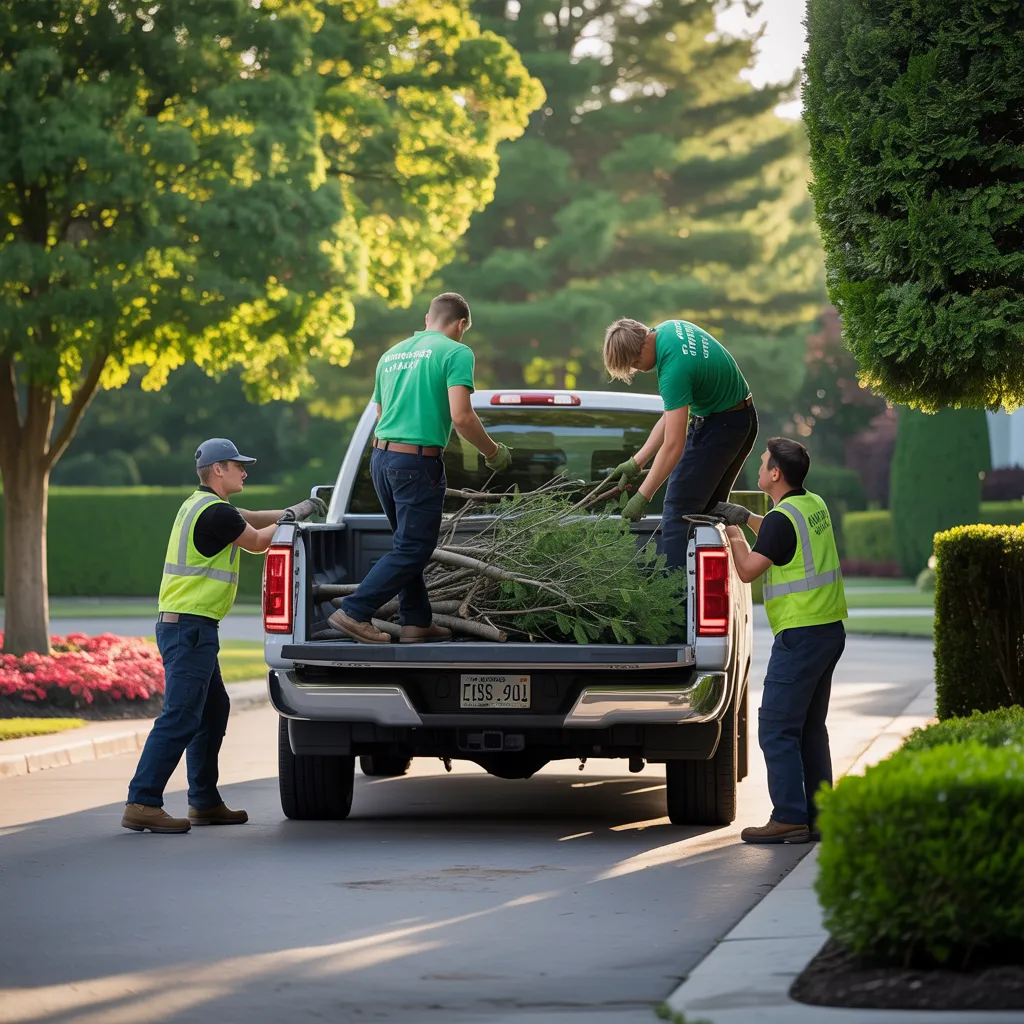
Why Skilled Tree Care Matters
Providing professional tree care is crucial to maintaining the health and safety of both residential and commercial landscapes. Trees contribute significantly to the environment by improving air quality, supplying shade, and increasing aesthetic appeal. Regular upkeep guarantees trees remain healthy and sturdy against pests, diseases, and severe weather conditions. Neglected tree care can lead to dangerous situations, like falling branches or uprooted trees, posing risks to people and property. In addition, well-maintained trees can enhance property value and curb appeal, making professional tree care a smart investment for homeowners and businesses alike. Skilled arborists hold the expertise to evaluate tree health, suggest appropriate care techniques, and carry them out safely. By prioritizing professional tree care, property owners promote a healthier landscape, encourage biodiversity, and foster a more enjoyable outdoor area for everyone. Consequently, investing in such services is both prudent and essential for long-term landscape health.
Typical Tree Care Options Accessible
Tree services provide a variety of required tasks that enhance tree health and safety. Among these, tree pruning techniques are important for maintaining structure and promoting growth, while stump removal solutions address the remnants of felled trees. Understanding these services helps homeowners make informed decisions about their landscape management.
Tree Cutting Methods
Pruning enhances the health and aesthetics of trees, making it an indispensable service for caring for their vigor. Various strategies are put into practice by tree service technicians to achieve ideal results. Thinning involves carefully removing branches to improve light penetration and air circulation, which reduces the risk of disease. Crown reduction is another technique that lowers the height of a tree while maintaining its natural shape, forestalling potential hazards. Deadwooding targets the removal of dead or dying branches, facilitating overall tree health. Additionally, formative pruning configures young trees to pledge strong structure and growth. Each strategy is adjusted to the specific species and condition of the tree, pledging a balanced approach to landscape enhancement and longevity.
Stump Extraction Alternatives
Following pruning, the next step in maintaining a healthy landscape typically requires dealing with tree stumps remaining. Stump removal is an essential offering delivered by tree care professionals, as leftover stumps can impede development, draw in pests, and pose dangerous risks. Various techniques are examine guide employed for stump removal, such as grinding, which transforms the stump to wood chips, and complete removal, which removes the stump and roots completely. Each method has its advantages, based on the size of the stump and the adjacent landscape. Additionally, experts often offer replanting solutions to fill the void created by the stump, enhancing the visual beauty of the area. Overall, stump removal is a crucial aspect of landscape management that fosters a improved environment
Positive Outcomes of Consistent Tree Care
Standard tree maintenance offers major advantages, including improved tree condition and enhanced visual appeal. By addressing problems such as pruning and disease management, trees can thrive and withstand environmental stressors. Additionally, properly maintained trees contribute positively on the landscape beauty of outdoor spaces, raising home value and public satisfaction.
Enhanced Tree Vitality
Routine upkeep plays a vital role in enhancing tree health and importance. Regular pruning removes dead or infected branches, which can prevent the spread of infections and pests. This practice encourages robust growth by allowing sunlight and air to penetrate through the canopy, promoting photosynthesis. Additionally, routine inspections can identify early signs of disease or stress, enabling timely interventions that can save a tree's life. Fertilization and proper watering, integral components of maintenance, guarantee that trees receive necessary nutrients and hydration, supporting their overall vitality. Furthermore, mulching helps retain soil moisture and regulates temperature, creating a beneficial environment for root development. Together, these practices contribute greatly to the longevity and robustness of trees, fostering a healthier landscape.
Enhanced Aesthetic Appeal
A properly cared for tree can greatly increase the beauty of any landscape. Regular tree maintenance, including pruning, shaping, and disease management, assures that trees remain healthy and visually striking. Pruning helps to form the tree, promoting a proportional and attractive outline while removing dead or unhealthy branches. In addition, healthy trees contribute bright foliage and seasonal colors, enriching the overall appearance. Well-kept trees can serve as features, adding distinctiveness and structure to gardens and yards. Moreover, the thoughtful placement of trees can create inviting pathways and shaded areas, enhancing outdoor functionality. Consequently, investing in routine tree care not only promotes health but also markedly improves the beauty and charm of a landscape, making it more appealing to residents and visitors alike.
Determining When to Call a Specialist
specialist involvement is frequently required to determine the best course of action
The Stages Involved in Tree Cutting Down and Renewal
Homeowners may find themselves where they need to take away a tree for various reasons, including safety concerns and modifying the landscape. The process of tree removal often starts out with a careful evaluation by professionals, who judge the tree's health, location, and surrounding environment. If removal is considered necessary, the team will prepare by making the area safe, ensuring that safety measures are in place to protect both people and property.
Once all setup is finished, the removal process encompasses cutting the tree down in a controlled manner, evaluating conditions like wind direction and surrounding structures. After the tree is felled, the stump is often ground down or wholly eliminated to allow for new landscaping.
After the elimination, homeowners can decide to replace the tree with a more fitting species. This replacement procedure entails choosing a healthy tree that fits with the landscape's design and ecological needs, boosting both aesthetic appeal and environmental health.
Determining the Appropriate Tree Service Business
How can you recognize a reputable tree service provider among many choices? The first step is to seek recommendations from friends or family, as direct feedback often yield reliable insights. Next, individuals should check qualifications, making sure that the provider is properly licensed and covered by insurance; this safeguards both the homeowner and the service team from potential liabilities.
In addition, exploring online reviews can display the provider's reputation within the community. A reputable tree service will typically deliver free estimates and detailed consultations, allowing clients to determine the scope of work.
It is also crucial to ask about the company's expertise and credentials, particularly in managing specific tree-related issues. Finally, clear pricing transparency and well-defined contracts can further indicate professional standards and dependability. By adhering to these recommendations, individuals can make informed decisions, leading to more vibrant outdoor spaces and improved aesthetic appeal.
Frequently Requested Questions
What Do Certified Tree Services Normally Cost?
Tree service professionals usually charge between $200 to $2,000, contingent upon considerations like tree size, type of service, and location. Homeowners should gather several bids to secure competitive pricing and quality service.
Do Tree Service Providers Have Coverage and Credentials?
Most professional tree service companies are obligated to be insured and licensed to operate in compliance with law. This guarantees safeguarding for both clients and workers, reducing risk exposure and ensuring compliance to safety and industry standards during services performed.
When Should You Cut Trees? Determining the Best Period of Year for Tree Maintenance?
The best season for tree trimming takes form during late winter through early spring, prior to new growth begins. This practice facilitates healthy growth, reduces stress on the tree, and permits ideal view of the tree's composition.
Can Tree Services Provide Pest Control Assistance?
Yes, tree services can help with managing pests by spotting pest issues, recommending treatments, and caring for tree health. Their expertise ensures successful pest management, which protects both trees and the surrounding landscape from potential damage.
How Can I Get Ready My Property for Tree Work?
To get ready a property for tree work, one should clear the area of debris, ensure easy access for equipment, notify neighbors, and secure pets indoors. Proper preparation improves safety and productivity throughout the tree maintenance procedure.